The IT Help Desk Just Became the Hardest Job in Tech
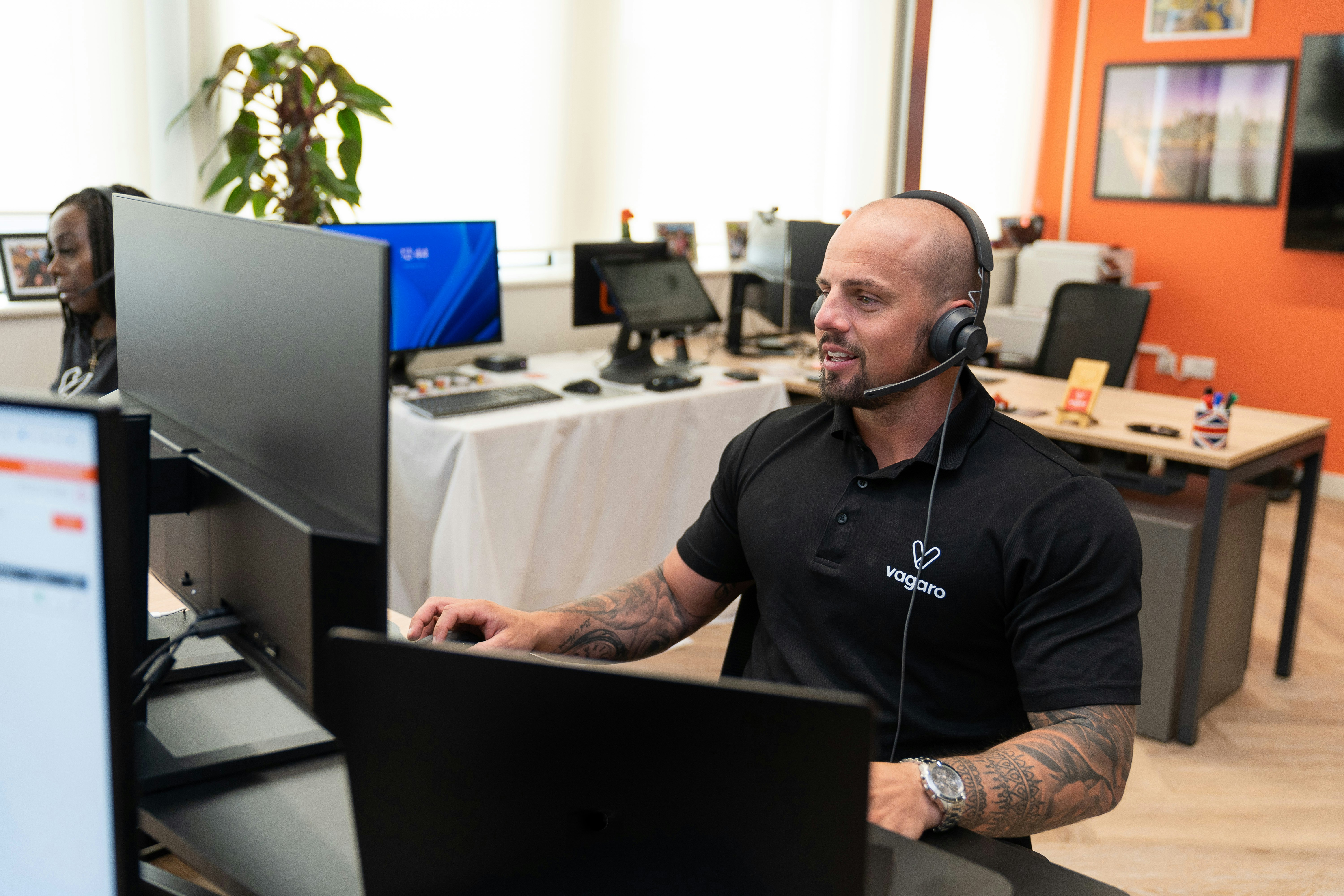
In March 2020, IT help desks across the world went from managing a predictable flow of in-office technical problems to handling an unprecedented crisis. I wrote in April about what the transition to remote work actually looked like from the infrastructure side, the VPN scaling, the collaboration tool deployments, the impossible timelines. But there’s a group of people in that story who didn’t get nearly enough attention, and they’re the ones who bore the heaviest load of the entire transition: the help desk.
Companies that had spent years optimizing their support teams for efficiency suddenly faced something no amount of planning could have prepared them for: 96% of all IT support moving to remote-only operations in a matter of weeks, and ticket volumes that would crush even well-staffed teams. The help desk, the entry point for countless IT careers and the backbone of business continuity, just became the hardest job in technology.
The Overnight Transition
By April 2020, the scale of the shift was staggering. HDI (Help Desk Institute) reported that help desks saw 35 to 50 percent increases in ticket volume during March and April alone. That’s not a gradual ramp-up. That’s a vertical line on a graph, starting from a plateau and shooting upward.
But the volume increase was only half the problem. The nature of the work changed fundamentally. For decades, help desk work had relied on physical proximity. A user’s computer wouldn’t start? Walk over and check the power cable. Network connection down? Physically verify the switch or router. Video conference software acting weird? Sit down at their desk and troubleshoot.
Overnight, none of that was possible anymore. Help desk staff had to figure out how to diagnose and resolve technical issues through a screen, over the phone, often with users who had never worked remotely before and weren’t particularly technical to begin with.
The New Skill Set
Remote troubleshooting requires a completely different approach than in-person support. Help desk technicians suddenly needed to master new tools: remote access software, screen sharing, VPN configuration. But more than that, they needed to become patient translators.
Walking a panicked accountant through VPN setup when they’ve never heard the term before. Explaining to a manager why their home WiFi router isn’t suitable for three simultaneous video calls. Troubleshooting webcam issues with someone who barely knows what a device driver is. This isn’t just technical support anymore; it’s technical support delivered through explanation and empathy.
And there’s the emotional dimension. Your workforce is suddenly frightened, isolated, and dependent on technology working perfectly so they can keep their jobs. Every ticket carries weight. A printing issue that would have been a minor annoyance in an office becomes a work-from-home crisis when you’re trying to print documents for a client meeting happening in thirty minutes.
Help desk staff became de facto therapists for stressed, isolated workers. The conversation shifted from “Have you tried turning it off and on again?” to “I understand this is frustrating, but we’re going to get through this together.” That emotional labor, the constant reassurance and patience required, is invisible in ticket metrics but absolutely real in the work.
The Burnout Crisis
The impact on help desk professionals themselves has been severe. By mid-2020, surveys from Spiceworks and HDI showed that 65 percent of IT support professionals reported burnout symptoms. That’s not a statistic; that’s a crisis within a crisis.
Remote IT workers reported working an average of 3 or more extra hours per week beyond their normal schedules. Some were handling 35 to 40 tickets per day, compared to the typical 20 to 25. The line between work and home, already blurred for remote workers, disappeared entirely for IT staff. Your bedroom becomes your office, your office becomes a ticket queue, and there’s no walking out the door to create separation.
Burnout wasn’t a new problem in IT support before COVID. I wrote about the burnout crisis in IT back in December, and everything I said then about alert fatigue, unrealistic workloads, and the toll of being perpetually on-call has been amplified tenfold by the pandemic. What used to build slowly over months and years compressed into weeks. The people keeping your company running while everything fell apart were running on fumes, and most of them didn’t have the luxury of stepping back to recover because there was nobody to cover for them.
The isolation made it worse. In an office, even a stressful one, you at least have the social buffer of coworkers who understand what you’re going through. You can vent over coffee, share a look when a particularly absurd ticket comes in, or just exist in the same room as people who get it. Remote helpdesk work stripped all of that away. You’re alone in your apartment or your spare bedroom, handling an endless queue of urgent tickets from people who are themselves stressed and frustrated, and there’s no one next to you to share the load or lighten the moment.
The Staffing Contradiction
Here’s where the crisis becomes truly absurd. The very companies that had been cutting help desk headcount or outsourcing support work for years suddenly found themselves critically understaffed. They’d optimized for cost at the exact moment when they needed raw capacity more than ever.
Hiring freezes hit across corporate America just as help desk demand skyrocketed. Companies couldn’t hire fast enough to meet the surge, even if they’d wanted to. And so the burden fell on existing staff: longer hours, higher ticket counts, no relief in sight.
This is where the frustration runs deep if you’re the person answering those tickets. Help desk teams were asked to be heroes, and they delivered. They kept companies running through the most disruptive period many of them had ever experienced. And they did it while their companies were announcing hiring freezes and cost-cutting measures that made clear where support staff ranked in the organizational hierarchy.
The outsourcing trend of the last decade made this worse. Companies that had offshored or contracted out their tier-one support found themselves dealing with vendors who were themselves overwhelmed, understaffed, and operating in countries dealing with their own pandemic lockdowns. The organizations that had kept their help desks in-house, that had invested in building real teams with institutional knowledge and genuine relationships with the people they supported, fared dramatically better. That’s not a coincidence, and it should tell you something about the long-term value of treating support as a core function rather than a line item to be outsourced to the lowest bidder.
Why This Actually Matters for Your Career
Here’s the counterintuitive part: if you’re considering a help desk role or you’re currently in one wondering if you made the right choice, the last few months have actually made your position more valuable, not less.
The skills that help desk professionals developed during the COVID transition are precisely what employers want going forward. Remote troubleshooting. The ability to communicate clearly under pressure. Problem-solving without physical access to systems. Patience and emotional intelligence.
These aren’t soft skills in the dismissive way that term is sometimes used. They’re foundational professional skills, the kind that differentiate someone who can simply close tickets from someone who can actually solve problems and communicate with people under pressure. And they’re in serious demand.
The path from help desk to higher roles in IT has always existed, but it’s now clearer than ever. Sysadmins, cloud engineers, security professionals, infrastructure specialists, many of them started at the help desk. The experience you gain now, managing complex problems with limited resources and imperfect information, is exactly the foundation you need for those roles.
What happened in April and May 2020 is that the entire IT industry got an accelerated lesson in why the help desk matters. It’s not a stepping stone to “real” IT work; it’s foundational IT work. Companies are starting to realize that, and compensation conversations are shifting accordingly. Support roles that were seen as entry-level, underpaid positions are being reconsidered.
The Broader Shift
The help desk didn’t just get busier in the last few months. It became visible in a way it never was before. When companies were sending everyone home, IT support wasn’t invisible infrastructure anymore; it was the most critical function keeping the business alive.
That visibility brings accountability, yes. It also brings opportunity. Experienced help desk professionals right now have real standing in conversations about career progression and compensation that they might not have had six months ago.
Management is slowly recognizing what we should have always known: your company cannot function without people who can troubleshoot technology, stay calm under pressure, and help people solve problems. Treat them accordingly.
Moving Forward
The help desk is harder now. The burnout is real. The work is more complex, more emotionally demanding, and more critical to business continuity than most organizations want to admit.
But if you’re in IT support, you’re also at the center of something significant. The skills you’re developing, the problems you’re solving, the resilience you’re building: these matter. Not just for your career progression, though they absolutely do. They matter because you’re literally keeping the world functioning through an unprecedented crisis.
The question for organizations now is whether they’ll recognize that value when things settle down, or whether they’ll slip back into treating the help desk as a cost center to be minimized. The good help desk professionals, the ones who’ve powered through the last few months, probably won’t stick around if they don’t see that recognition.
Your help desk team needs to hear that they matter. And if you’re on that team, you need to know that the work you’re doing right now is building a foundation for a real IT career, not just a job. The pandemic has made that foundation visible in a way that’s impossible to ignore.